
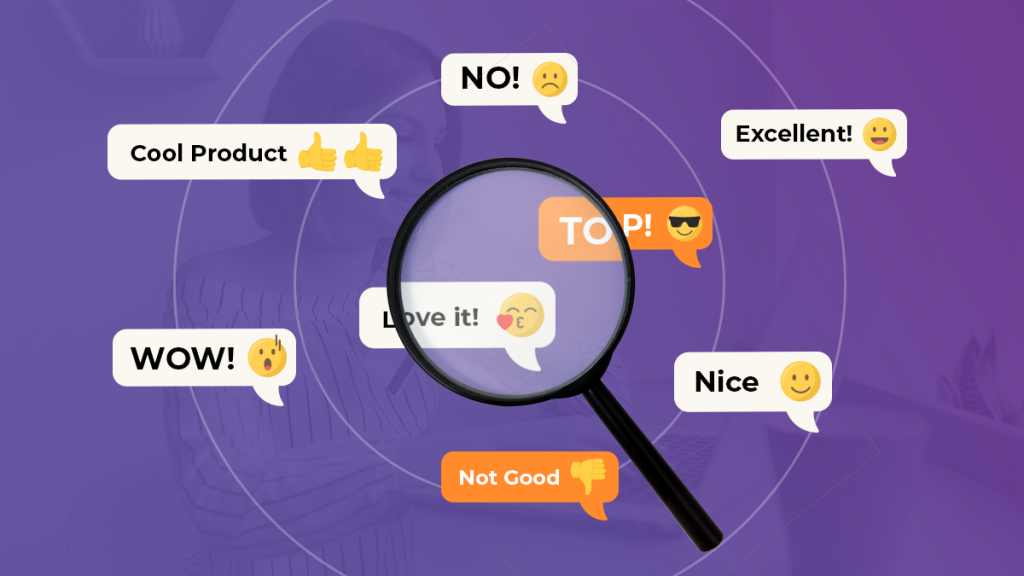
Sentiment Analysis Data for Brands
Sentiment Analysis is the process of identifying and categorizing the emotion expressed in a text. The purpose of sentiment analysis is to help brands understand how people feel about them. This blog post will look at some common types of data brands should collect to optimize sentiment analysis.
Type of Data Brands Should Collect to Optimize Sentiment Analysis
Brands should collect all data that can be used for analysis. Brands should gather as much relevant data as possible and use it as a training set to optimize the examination. Some of these data include:
Surveys
This is standard data used for sentiment analysis. Brands can use surveys to understand how consumers feel about their products and services to improve or change them in the future. Surveys can be used to analyze sentiment for specific topics or the brand as a whole.
The importance of surveys in analysis cannot be understated. While it’s possible to infer sentiment based on historical sales data, this is time-consuming and may not give the most accurate result. Surveys help understand current feelings about a brand or product so brands can make changes without delay.
Customer Reviews
Customer reviews are another way brands can collect data. Reviews can be posted on review websites, social media pages, and brands’ sites. Brands should monitor as many of these as possible to find relevant data that will help them improve their products or services.
Social Media Comments
Brands should monitor social media comments to find relevant data. Brands can use analysis tools to help them mine these comments and find valuable information about how consumers feel about their brand. They can use this information for various purposes, including audits and helping improve products or services.
Social media comments play a significant role in analysis. Brands should monitor what people are saying about them and share that information with relevant stakeholders to help improve their offerings.
Brand Mentions Data
Social media platforms are familiar sources of information about brands. Brands can collect data from these platforms using APIs and web crawlers to find people talking about their brands online. Social media monitoring tools like Hootsuite or Brand24 make this process easier.
Mentions from traditional media outlets, such as newspapers and television, can also be used to find data. Brands should monitor these outlets to see people talking about their brand positively or negatively.
Reactions
Brands can use real-time analysis to determine how people feel about their brand in any situation. During a football game, awards show, or even an election, Reactions to brands could come up. When brands collect and analyze this data, they will be better equipped to handle the social media audience and understand consumers’ thoughts about their brand.
Reactions can provide valuable information about a brand’s sentiment. Brands can use this data to improve marketing campaigns, social media strategies, and product features.
Consumer Feedback
Customer feedback is another common source of data used in analysis. Brands can use customer feedback to understand how consumers feel about their products or services. Through this data, brands can find out what people think of their brand and improve it in the future.
Consumer feedback is excellent for finding sentiment. Brands can use this data to improve their products and marketing strategies.
NetBaseQuid is a company that provides sentiment analysis tools for brands. They publish insights, keep track of social mentions, and help marketers find relevant information about their brands online. This data can be used to improve products or marketing campaigns in the future. We can help you achieve your business goals by collecting data from all sources listed above.
